
How to Keep Character in a Home While Making It Feel Fresh
One of the biggest concerns people have when updating their home is losing the very thing that made them love it in the first place.
Whether it is a period property, cottage, farmhouse or barn conversion, character is what gives a home warmth and individuality. Across Warwickshire, many homes have beautiful original features, but they also need to work for modern life. The key is finding the balance between preserving charm and creating spaces that feel lighter, calmer and more functional.
The good news is that a home can feel fresh without losing its soul.
Start with what makes the house special
Character is not always about obvious features like beams, fireplaces or original floorboards. Often, it is also in the proportions of a room, the natural light, the age of the materials or the small imperfections that make a home feel authentic.
Before making design decisions, it helps to identify what gives the property its identity. Which details are worth preserving? What would feel like a loss if it disappeared? In many older Warwickshire homes, those details are what make the space feel timeless.

In this barn conversion, we wanted to celebrate the scale of the space and its stunning setting. The high ceilings, dramatic glazing and original black steel beams were all kept exposed, preserving the building’s industrial character while making the most of the views beyond.
Refresh rather than replace
One of the quickest ways to lose character is to make everything feel too new.
Freshness does not have to mean replacing every surface or stripping out every original detail. Often, it comes from refining what is already there, restoring floorboards, repainting joinery, improving the layout, updating lighting or introducing a calmer palette.
In period homes, cottages and barn conversions, retaining original features wherever possible usually creates a far more lasting result.
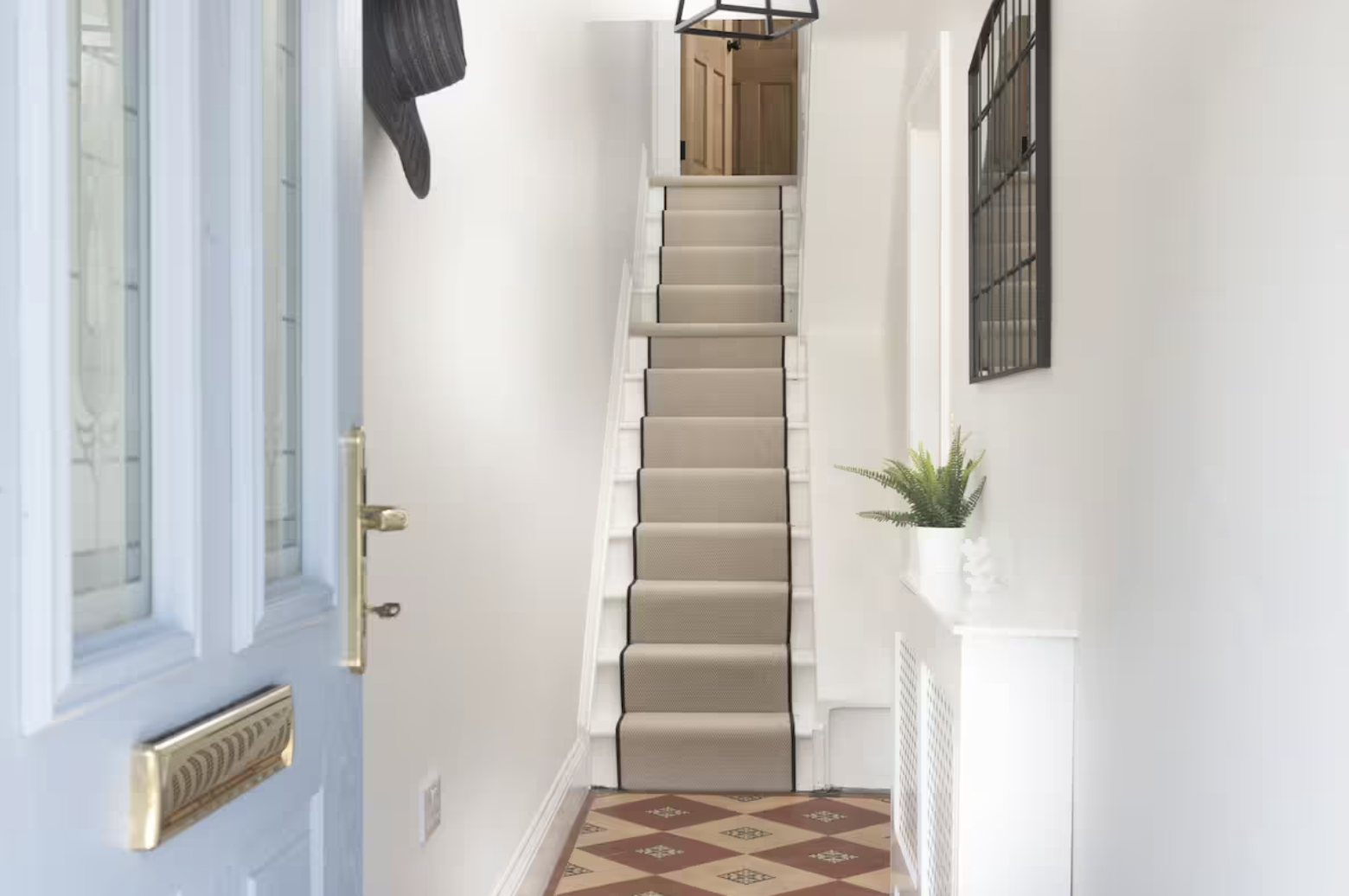
In this narrow hallway, we kept the scheme bright, fresh and understated, allowing the original Victorian floor to take centre stage. Rather than replacing it, we chose to celebrate it, letting its pattern, warmth and age bring character and interest to the space.
Let the architecture lead
The best interiors work with the house rather than against it.
A Georgian townhouse, a country farmhouse and a newer family home will all need a different approach. A fresher interior should still feel connected to the bones of the property, even if the finished look is more updated.
That might mean softer shapes, natural textures and more thoughtful materials in an older home, or adding warmth and depth to a newer one. The aim is always to create something cohesive and considered.
Choose colours with softness
Colour plays a big part in how fresh a home feels, but that does not mean there is one right approach. In some spaces, a crisp bright white can work beautifully, particularly where you want to maximise light and let original features or architectural details stand out. In others, a softer palette of warm neutrals, muted greens or earthy tones can create a calmer, more grounded feel.
The key is choosing colours that suit both the property and the atmosphere you want to create. In many Warwickshire homes, especially those with original woodwork, beams or fireplaces, a considered palette helps the space feel fresh while still staying connected to its character.
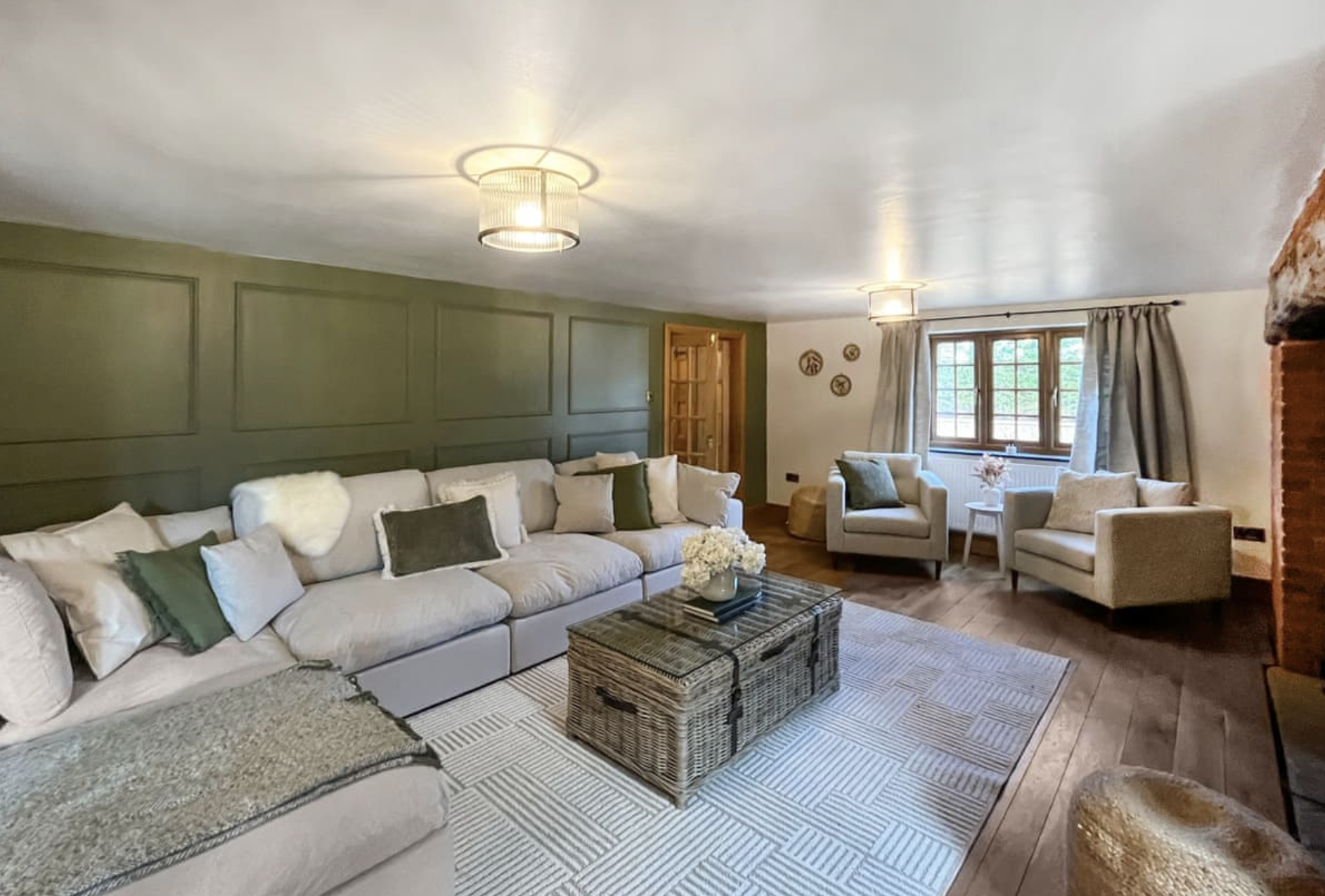
Here, a soft olive green adds depth and warmth, while neutral furnishings and natural textures keep the room feeling fresh, calm and balanced.
Mix old and new
The homes that feel most effortless are usually the ones that combine traditional character with cleaner, more contemporary layers.
That could mean pairing antique pieces with simpler upholstery, using modern lighting in a period room, or keeping original features while introducing more restrained finishes. It is this balance that keeps a home from feeling either too heavy or too generic.
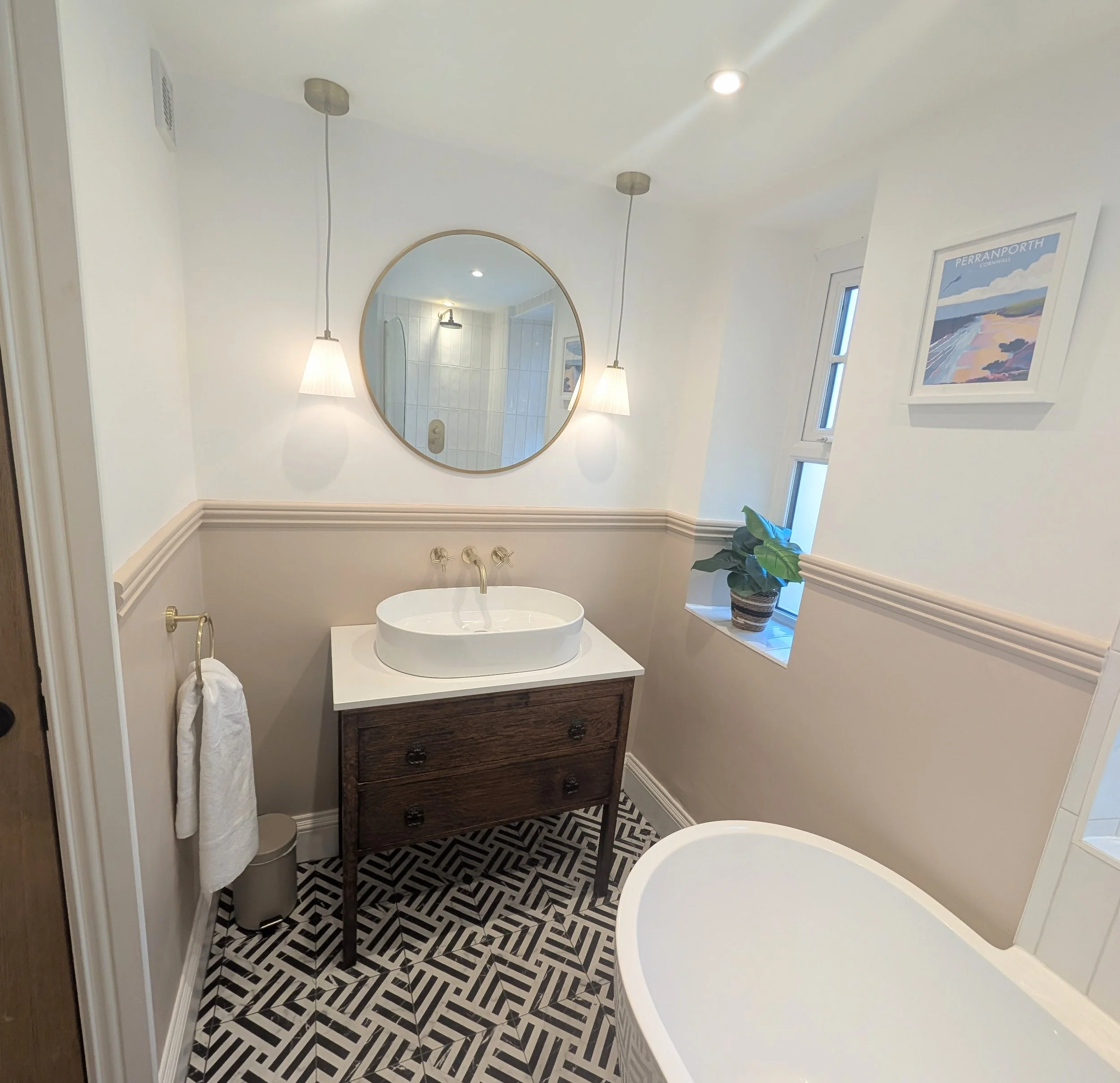
In this Victorian home, we mixed old and new by repurposing an antique chest of drawers as a vanity unit, then pairing it with graphic floor tiles, classic wall detailing and more contemporary brassware.
Edit the bones without erasing them
Refreshing a home is often about editing what is already there, rather than stripping everything back. That could mean repainting original joinery, restoring floorboards, keeping fireplaces and mouldings, or bringing beams back to a natural finish rather than covering or replacing them.
In many homes, the most successful changes come from removing the wrong layers, not all the layers. The goal is to let the building’s character come through more clearly, while introducing any new details, whether panelling, coving or joinery, in a way that still feels sympathetic to the house.
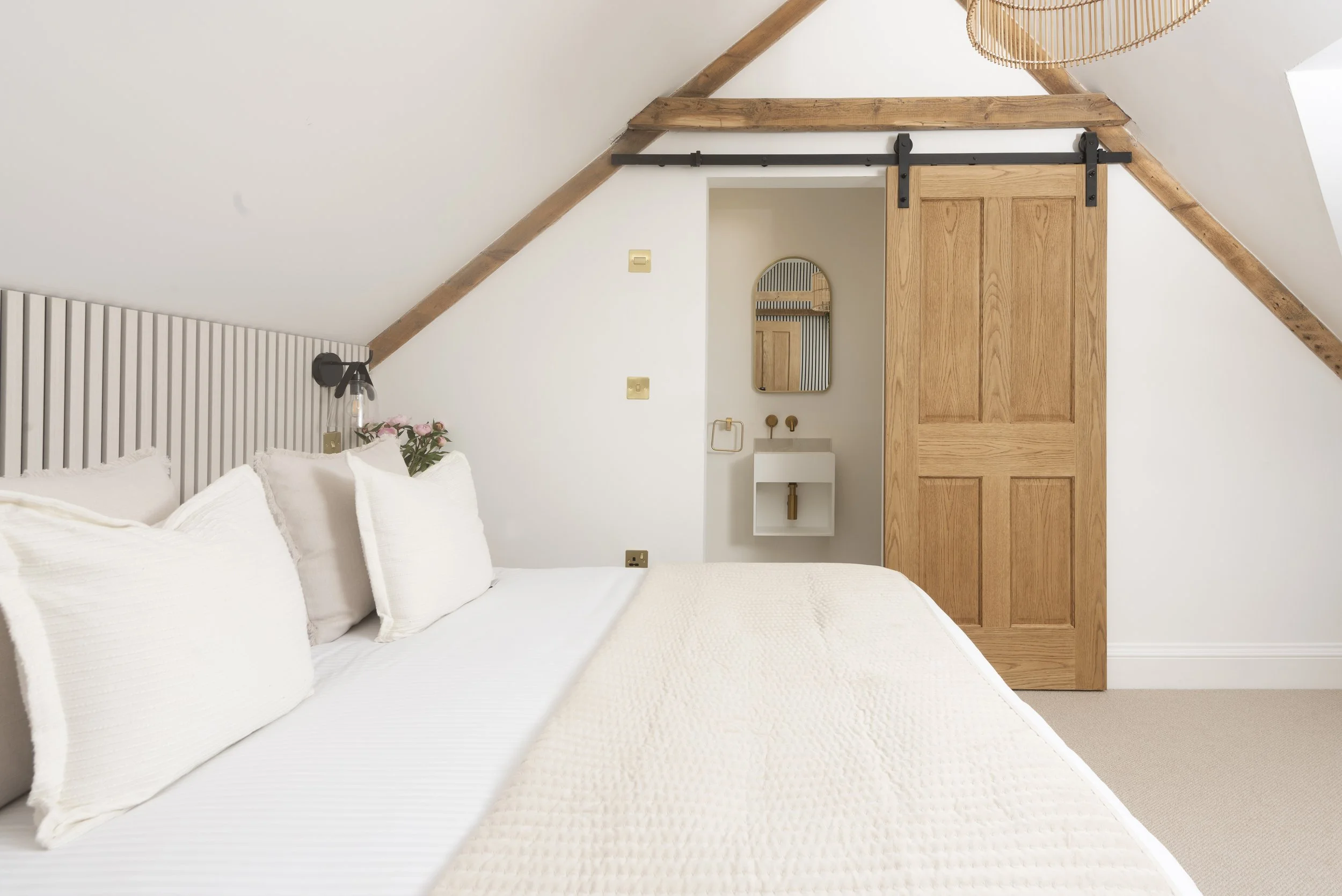
When reworking this attic space to create a larger master bedroom, we uncovered these original oak structural beams. Rather than concealing them, we had them sanded back and turned them into a feature, adding instant character to the room.
The best homes feel evolved
Keeping character while making a home feel fresh is usually about restraint rather than dramatic change.
It is about knowing what to preserve, what to simplify and where to introduce contrast. The most successful interiors feel gently evolved, still full of charm, but lighter, calmer and better suited to everyday life.
That is often what makes a home feel timeless.
If you're updating a period property, cottage, farmhouse or barn conversion and want it to feel fresh without losing its character, working with an interior designer in Warwickshire can help you strike that balance.
